

Brain Injuries And Emotional Changes
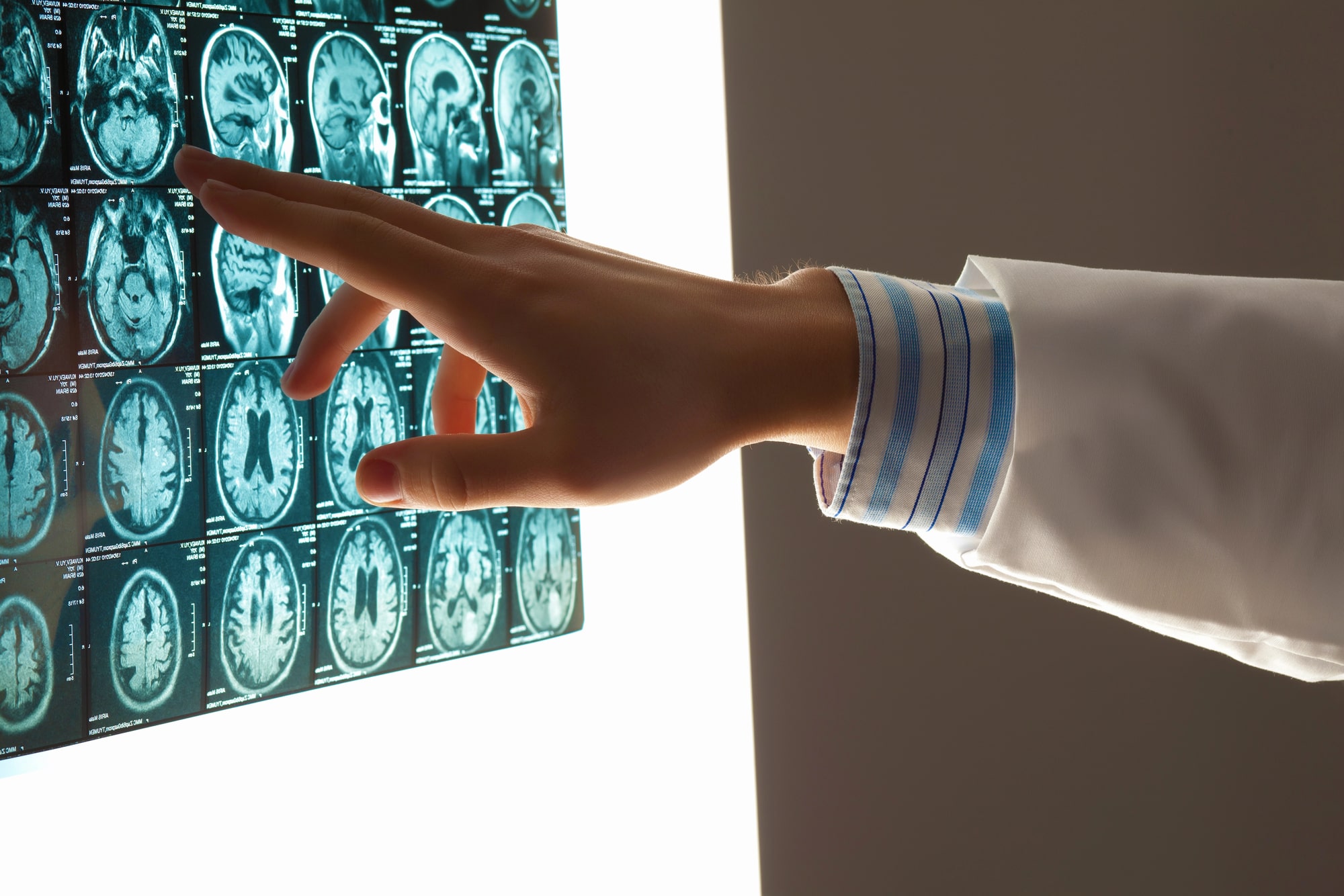
A brain injury doesn’t just affect your body. That’s what surprises most people. You might heal from the visible wounds while dealing with something far more unsettling: you don’t feel like yourself anymore. Many survivors of traumatic brain injuries discover their emotions work differently now. Their personality shifts. Behaviors change in ways that feel foreign and frightening. Family members usually notice it first, and honestly, the strain on relationships can hurt just as much as the physical recovery. When you’re pursuing compensation after an accident, these emotional changes matter. A Baton Rouge Brain Injury Lawyer can help document these invisible injuries and fight for what you actually deserve, not just what an insurance company wants to pay.
How Brain Injuries Affect Emotional Regulation
Your brain controls everything. Every thought, every feeling, every reaction. When an injury damages specific regions, particularly the frontal lobe, it disrupts the systems managing your emotions and social behavior. Even mild traumatic brain injuries can create lasting changes in how you process feelings and respond to stress. The frontal lobe acts as your brain’s executive center. It handles decision-making. Impulse control. Emotional responses. When that area sustains damage, personality shifts often follow, and they can seem completely out of character. Someone patient their whole life might become quick to anger. A naturally social person withdraws from everyone. These aren’t choices. They’re not character flaws. They’re direct results of physical damage to brain tissue, and they’re very real.
Common Emotional And Behavioral Changes After TBI
Brain injury survivors frequently experience emotional and psychological symptoms that persist for months or years. According to the Centers for Disease Control and Prevention, mood and behavioral problems rank among the most common complications following moderate to severe TBI. You might notice:
- Increased irritability and anger that seems way out of proportion to what’s happening
- Depression and persistent feelings of sadness or hopelessness
- Anxiety and heightened worry about everyday situations
- Reduced ability to recognize or respond to social cues
- Impulsive behavior and poor decision-making
- Emotional outbursts you can’t seem to control
- Apathy or lack of interest in activities you once loved
These symptoms often overlap. They compound each other. Someone dealing with chronic pain from their injury develops depression. The depression makes it harder to stick with physical therapy. The reduced recovery progress increases frustration and anxiety. It becomes a cycle that’s incredibly difficult to break.
The Impact On Relationships And Quality of Life
Emotional changes after a brain injury create ripple effects everywhere. Marriages face new tensions when one spouse’s personality seems fundamentally altered. How do you reconnect with someone who doesn’t act like the person you married? Parents struggle to connect with children who can’t understand why mom or dad is different now. Social interactions become awkward or exhausting, so people stop trying. Work relationships suffer too. Colleagues who once relied on your calm demeanor don’t know how to respond to sudden mood swings. Supervisors lose patience when tasks that used to be simple now trigger frustration or confusion. Many brain injury survivors lose their jobs not because they can’t perform physical tasks, but because emotional dysregulation makes it impossible to maintain professional relationships or handle workplace stress. The financial consequences extend way beyond medical bills.
Documenting Emotional Damages In Your Claim
Insurance companies love focusing on visible injuries. Broken bones. Surgical scars. Things they can see in photos. They’d much rather minimize or dismiss emotional and psychological harm because it’s harder to put a dollar amount on it. That doesn’t make it any less real, and it doesn’t make it any less compensable.
Your legal team needs to build a thorough record demonstrating how the injury changed your life. This includes testimony from family members who’ve watched you struggle. Statements from mental health professionals who’ve treated you. Documentation of medication changes. Evidence of lost relationships or opportunities that slipped away because you weren’t yourself anymore. Palmintier, Thrower, and Treuting Injury Attorneys works with medical experts who can explain the connection between your specific brain injury and the emotional symptoms you’re experiencing. We present this evidence in ways that help insurance adjusters and juries understand the full scope of your losses, not just the ones that show up on an X-ray.
Getting Help For Both Legal And Medical Needs
Brain injuries require ongoing medical attention. Often, that includes neuropsychological evaluation and mental health treatment. These services aren’t cheap, and you shouldn’t have to pay for them when someone else’s negligence caused your injury. A Baton Rouge Brain Injury Lawyer can pursue compensation for current and future mental health care, therapy costs, medication expenses, and the reduced quality of life you’re experiencing. We’ll account for both the economic impact and the personal toll these changes have taken on you and your family.
If you or someone you love is dealing with emotional changes after a head injury, don’t wait to seek legal guidance. The sooner we can begin documenting your symptoms and their effects, the stronger your case becomes. Contact our team to discuss your situation and learn about your options for recovery.