

Who To Sue After A Rideshare Crash
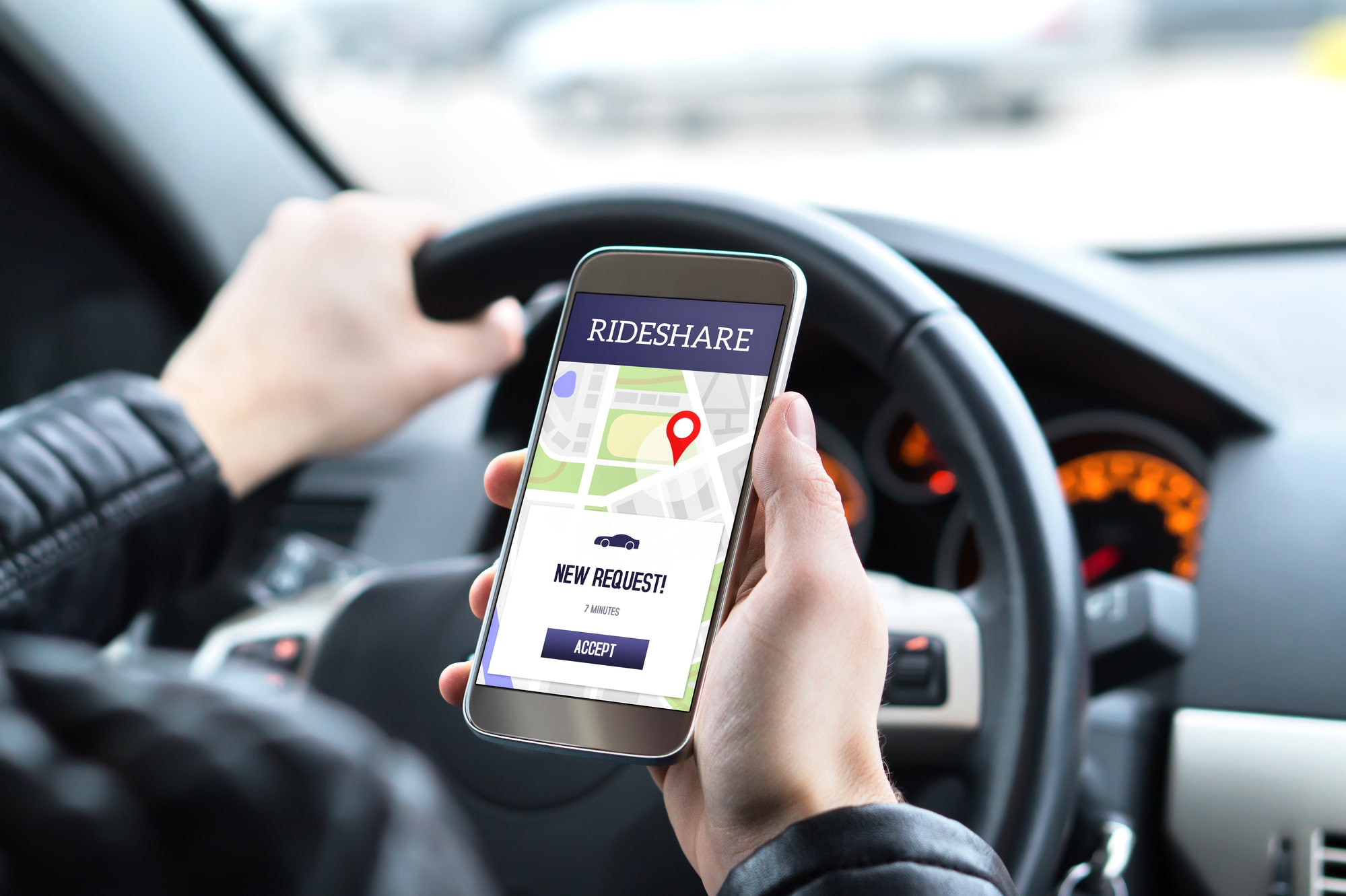
So you’ve been hurt in a rideshare accident. The first thing everyone wants to know is who’s going to pay for this. It’s rarely a simple answer. You might be able to go after the driver. Or the company. Sometimes both. Understanding who you can sue depends on several factors that aren’t always obvious at first.
How The Driver-Company Relationship Affects Your Case
Uber and Lyft classify their drivers as independent contractors. That’s important because it changes who bears legal responsibility when accidents happen, but don’t think that means the company walks away free. That independent contractor label doesn’t automatically protect them from liability. What matters is what the driver was doing when the crash occurred. If you’re injured in a collision involving a rideshare vehicle, the driver’s status at that exact moment determines which insurance policies apply and who you can pursue. A Baton Rouge rideshare accident lawyer can review your specific situation to identify every potential defendant.
Suing The Driver Directly
You can file a personal injury lawsuit against the rideshare driver if their negligence caused your injuries. Pretty straightforward. Common grounds for going after the driver:
- They were speeding or driving recklessly
- Ran a red light or stop sign
- Got distracted using the app
- Driving drunk or under the influence
- Failed to yield when they should have
Now, the driver has personal auto insurance. But those policies almost always exclude coverage for commercial activities. So if the driver wasn’t logged into the app when the crash happened? Their personal policy might be the only coverage available. And that’s often not enough to cover serious injuries.
When You Can Go After The Company
Rideshare companies do provide liability coverage. It just depends on what the driver was doing at the time. According to Louisiana law, transportation network companies must maintain specific insurance coverage during different periods of operation. You can pursue claims against the rideshare company when the driver was actively working. That includes when they had the app turned on, were heading to pick up a passenger, or were actively transporting someone.
During active trips, companies like Uber and Lyft carry $1 million liability policies. That’s significant coverage. There’s another scenario where the company might be liable. If they negligently hired a driver with a dangerous driving record or skipped proper background checks, they could face direct liability for their own negligence in putting that driver on the road.
Why Naming Both Defendants Often Makes Sense
You’re allowed to file claims against both the driver and the company. And honestly? It’s often necessary to protect your interests. Each defendant is going to try shifting blame to the other. We see it all the time. By naming both parties from the start, you protect yourself if one successfully argues they’re not liable. You’ve still got the other defendant.
There’s also the insurance angle. Multiple defendants means access to different insurance policies. The driver’s personal coverage might apply. The rideshare company’s policy could be in play. Maybe other parties’ insurance contributes to the settlement. You want every available source of recovery on the table. Palmintier, Thrower, and Treuting Injury Attorneys have handled these multi-party claims before. We know how to build cases that hold all responsible parties accountable for what they did.
The Insurance Coverage Periods
This part trips people up. The amount of available insurance varies wildly based on when the accident occurred:
- App off: Only the driver’s personal auto insurance applies
- App on, waiting for requests: Limited rideshare coverage kicks in (typically $50,000/$100,000/$25,000)
- En route to pickup or during a trip: Full commercial coverage up to $1 million
Determining which period applies requires investigating app records, GPS data, and what the driver says happened. And you better believe the insurance companies will fight to classify the accident in whichever period minimizes what they have to pay out.
Building Your Case
Pursuing both the driver and the company requires different legal strategies for each defendant. Claims against the driver focus on proving negligence behind the wheel. Pretty standard personal injury stuff. But claims against the company often involve demonstrating the driver was working at the time and that company policies or oversight failures contributed to what happened. A Baton Rouge rideshare accident lawyer gathers evidence, including ride receipts, app screenshots, witness statements, and accident reconstruction reports. This documentation establishes liability and maximizes your recovery from all available sources.
One more thing about Louisiana law. We have a comparative fault system. You can still recover damages even if you bear partial responsibility for the accident. Your compensation just gets reduced by your percentage of fault. Having strong legal representation helps counter attempts by defendants to shift blame onto you. Don’t let rideshare companies or their insurers minimize your injuries or rush you into accepting a settlement before you understand what your case is actually worth. Contact our firm to discuss your situation and learn how we can help you pursue full compensation from every party responsible for your harm.