

Louisiana Crosswalk Laws and Pedestrian Accident Claims
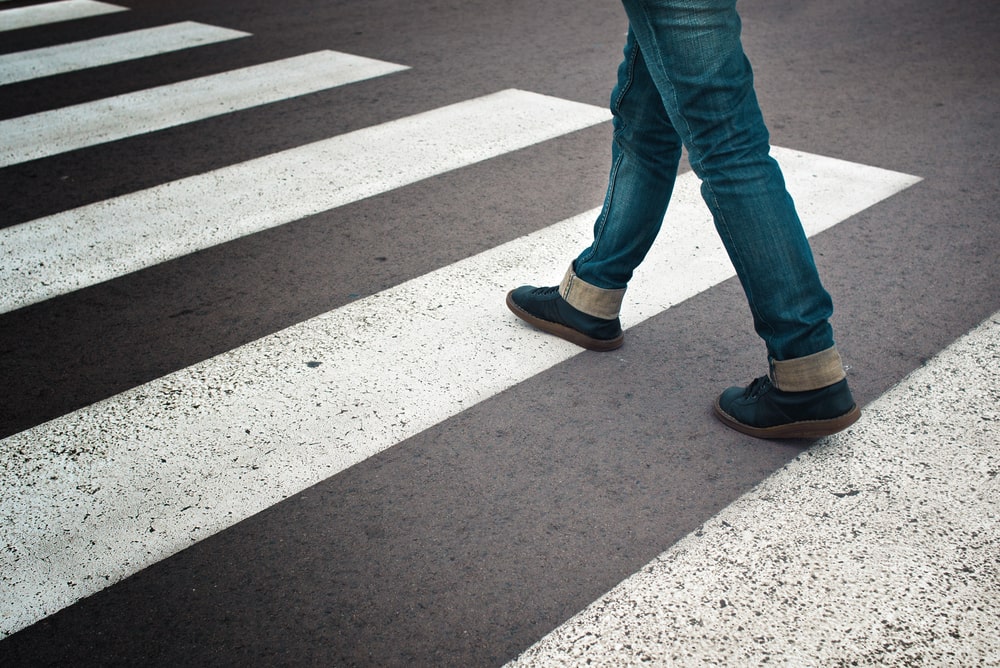
Crosswalks Aren’t a Guarantee of Safety
A lot of pedestrians assume that being in a crosswalk means they’re automatically protected and that any driver who hits them is automatically at fault. That’s a reasonable assumption. It’s also not entirely accurate under Louisiana law.
Crosswalk laws place obligations on both drivers and pedestrians, and how those obligations were met or not met at the time of an accident directly shapes who bears responsibility and how much compensation an injured pedestrian can pursue.
What Louisiana Law Requires of Drivers at Crosswalks
Louisiana traffic law places significant responsibilities on drivers when pedestrians are present at crosswalks. Drivers must yield the right of way to pedestrians lawfully crossing in a marked or unmarked crosswalk. They’re required to exercise due care to avoid hitting pedestrians on any roadway, and they must give an audible warning when necessary to alert a pedestrian to danger.
The obligation doesn’t stop at yielding. Louisiana law also prohibits drivers from passing a vehicle that has stopped at a crosswalk to yield to a pedestrian. That means a driver in an adjacent lane who doesn’t see the pedestrian because a stopped vehicle blocked their view still has a legal obligation to proceed with caution.
The Louisiana State Legislature maintains the traffic statutes governing pedestrian rights and driver obligations at crosswalks throughout the state.
What Louisiana Law Requires of Pedestrians
Pedestrian obligations matter too. Louisiana law requires pedestrians to obey pedestrian control signals where they exist. When a pedestrian signal shows don’t walk, a pedestrian who steps into the crosswalk anyway may bear some fault for an accident that results.
Pedestrians are also required to use available crosswalks rather than crossing mid-block where marked crosswalks are present nearby. Jaywalking in Louisiana isn’t just a social norm violation. It’s a traffic law violation that can affect fault attribution in an accident claim.
That said, a driver’s obligation to exercise due care for pedestrians doesn’t disappear just because a pedestrian was jaywalking. Louisiana’s pure comparative fault system means both parties’ conduct gets evaluated, and a driver who was speeding, distracted, or impaired can still bear the majority of fault even when a pedestrian wasn’t in a marked crosswalk.
Palmintier, Thrower, and Treuting Injury Attorneys represents pedestrian accident victims throughout Louisiana, helping injured clients navigate the fault analysis and pursue the full compensation their injuries demand.
How Comparative Fault Plays Out in Crosswalk Cases
Louisiana’s pure comparative fault system means fault percentages are assigned to every party whose conduct contributed to the accident. An injured pedestrian can recover compensation even if they were partially at fault, with their recovery reduced proportionally by their percentage of responsibility.
In practice, this means the specific facts of where the pedestrian was, what signal was showing, whether they looked before stepping into the street, and what the driver was doing all matter. A pedestrian who entered a crosswalk with a walk signal and was struck by a distracted driver is in a very different legal position than a pedestrian who stepped out from between parked cars mid-block without looking.
Insurance companies understand this framework and use it aggressively. Expect an adjuster to look for any evidence that the pedestrian shares fault because shifting even a portion of responsibility reduces what the insurer has to pay.
What Evidence Matters Most in These Cases
Building a strong pedestrian crosswalk claim requires evidence that documents the physical scene and the parties’ conduct clearly.
Evidence that frequently shapes these claims includes:
- Traffic signal and pedestrian signal timing records that establish what was showing at the moment of the crash
- Surveillance footage from nearby businesses, traffic cameras, or dashcams that captured the collision
- Witness statements from people who observed the pedestrian’s and driver’s behavior leading up to the impact
- Skid mark analysis and vehicle damage documentation that helps establish the driver’s speed and reaction time
- Cell phone records when distracted driving is suspected
- Police report findings including any citations issued at the scene
Gathering this evidence quickly matters. Traffic camera footage gets overwritten. Witnesses become harder to locate. Physical evidence at the scene changes.
Louisiana’s One-Year Prescriptive Period
Pedestrian accident victims in Louisiana have one year from the date of the accident to file a personal injury claim. That deadline is firm, and it arrives faster than most injured people expect when they’re managing medical treatment, recovery, and the financial stress an accident creates.
Don’t wait to get legal guidance. The investigation that supports a strong pedestrian accident claim takes time to build properly, and starting that process early gives your attorney the best opportunity to preserve evidence and develop a complete picture of what happened.
If you were injured in a crosswalk accident in Louisiana, the Baton Rouge pedestrian accident lawyer team at Palmintier, Thrower, and Treuting Injury Attorneys can help you understand how Louisiana’s crosswalk laws apply to your situation and pursue the compensation your injuries deserve.