

How to Prove Driver Negligence in Louisiana
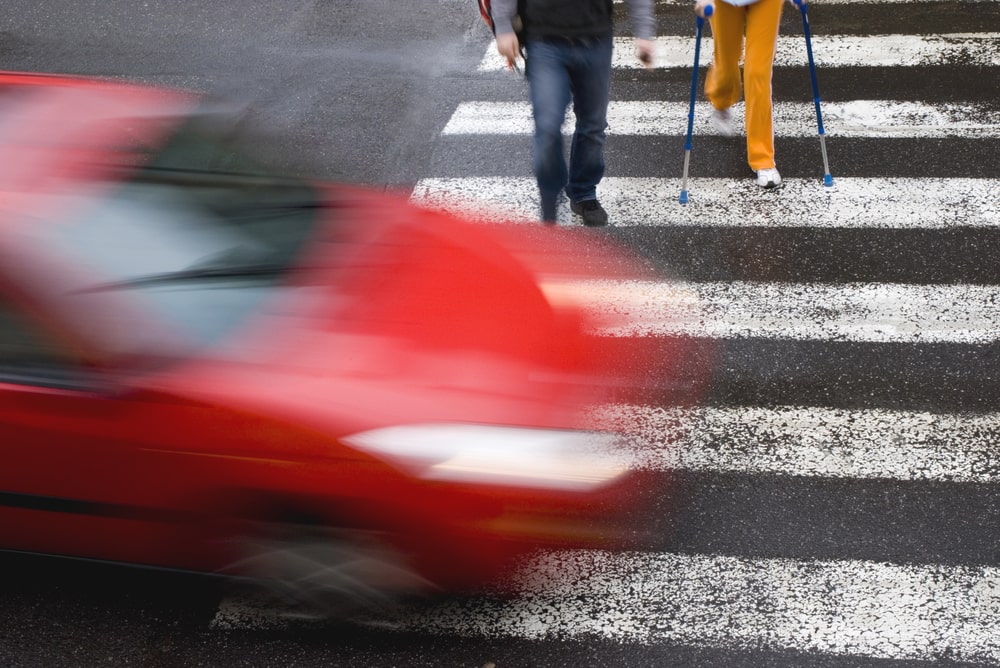
When a pedestrian is struck by a vehicle, the physical impact is immediate. The legal process that follows is not. Building a successful injury claim in Louisiana depends largely on your ability to prove that the driver who hit you was negligent. That requires more than saying someone made a mistake. It means satisfying specific legal elements that Louisiana courts expect to see supported by real evidence.
What Negligence Means Under Louisiana Law
Negligence is the legal standard used in most personal injury cases. In plain terms, it means a person failed to act with reasonable care and someone was hurt as a result. Working with a Baton Rouge pedestrian accident lawyer early on can help you understand how these elements apply to your specific situation. In Louisiana, proving negligence means establishing four things. Miss one and the claim may not hold up.
Duty of Care
Every driver on the road has a legal duty to operate their vehicle safely and pay attention to their surroundings. That duty extends to pedestrians, whether they are in a crosswalk, on a sidewalk, or lawfully crossing a street.
Breach of Duty
A breach happens when a driver fails to meet that standard. Running a red light, texting behind the wheel, speeding through a school zone, or failing to yield at a crosswalk are all clear examples.
Causation
You need to connect the breach to your injuries. Louisiana requires both factual causation, meaning the accident would not have happened without the driver’s action, and legal causation, meaning the harm was a foreseeable result of that action.
Damages
Finally, you must show that you suffered actual losses. Medical bills, lost wages, pain, and physical limitations all count. A close call with no resulting injury typically does not form the basis of a negligence claim.
Evidence That Supports a Pedestrian Negligence Claim
Knowing the elements is one thing. Gathering proof is another. The evidence that tends to carry the most weight in these cases includes:
- Police reports documenting how the accident occurred
- Witness statements from people who saw the collision
- Surveillance or dashcam footage showing the driver’s behavior before impact
- Cell phone records that may indicate distracted driving
- Traffic signal data or road condition reports
- Medical records connecting your injuries directly to the accident
Stronger evidence builds a stronger case. That is why preserving as much documentation as possible right after an accident matters so much.
How Comparative Fault Can Affect Your Claim
Louisiana follows a pure comparative fault rule. Even if you share some responsibility for what happened, you can still recover compensation. Your total award is reduced in proportion to your percentage of fault.
If a jury finds you were 15% at fault and the driver was 85% at fault, you could still recover 85% of your total damages. Your right to compensation is not eliminated. It is adjusted. Louisiana Civil Code Article 2323 governs this allocation of fault in personal injury cases and is the controlling authority in these situations.
Why Legal Representation Matters in These Cases
Proving negligence involves more than gathering paperwork. It requires knowing how to present evidence, respond to insurance company arguments, and understand how local courts apply these standards. Insurance adjusters are trained to minimize payouts, and they often move quickly after an accident.
Palmintier, Thrower, and Treuting Injury Attorneys has represented pedestrian accident victims across Louisiana for decades, helping injured people build well-supported claims and pursue the compensation they deserve.
If you were hit by a vehicle and want to understand where your case stands, speaking with a Baton Rouge pedestrian accident lawyer is the right first step. Reach out to our office online today.