
Why Rideshare Cases Take Longer in Louisiana
A car accident claim in Louisiana follows a familiar sequence: identify the at-fault driver, file with their insurer, negotiate, and resolve. A rideshare accident claim involving an Uber or Lyft driver does not follow that sequence. It involves multiple insurance companies, coverage that changes based on what the driver was doing at the moment of the crash, and an ongoing dispute about the driver’s employment status that shapes every negotiation. These layers are why Baton Rouge rideshare accident claims consistently take longer to resolve than standard car accident cases.
The Multiple-Insurance-Company Problem
When a standard driver causes an accident, one insurance policy applies. When a rideshare driver causes an accident, at least two insurance programs are potentially involved, and sometimes three. The driver’s personal auto policy, Uber or Lyft’s corporate policy, and any supplemental coverage the driver may carry can all be relevant, depending on the coverage phase that was active at the time of the crash.
These companies do not coordinate willingly. Each insurer’s position depends on establishing that their policy was not the primary coverage, or was not triggered at all. The result is a back-and-forth between insurers that produces delay even when the facts of the crash are not seriously disputed. A Baton Rouge rideshare accident lawyer manages the insurer negotiations and pushes back against delay tactics that insurers use to let time pressure build on the injured party.
The Three Coverage Phases and Why They Produce Disputes
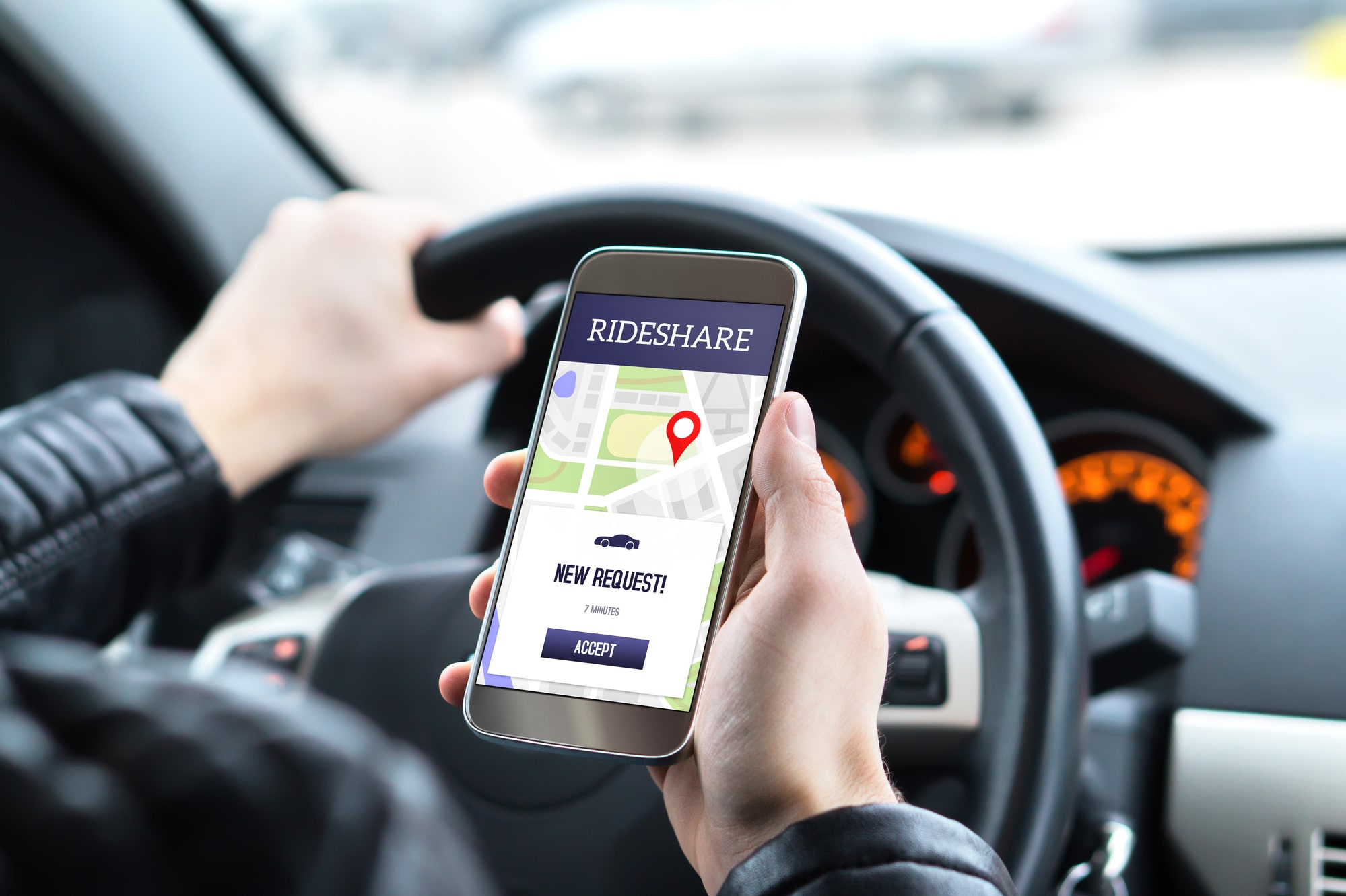
Rideshare coverage is structured in three phases defined by the driver’s app status at the time of the crash:
- Phase 1: App is on, driver is waiting for a ride request. Limited contingent coverage applies through Uber or Lyft, typically $50,000 per person. The personal auto policy may still apply but often excludes commercial use.
- Phase 2: Driver has accepted a ride and is en route to pick up the passenger. Uber or Lyft’s $1 million commercial policy activates.
- Phase 3: Passenger is in the vehicle. Full $1 million commercial coverage is active.
Phase 1 is where the most coverage disputes arise. Insurers contest whether the app was actually active, whether the personal policy exclusion applies, and which company bears primary responsibility. Resolving these disputes requires app data, GPS logs, and driver records that must be formally obtained.
The Employment Classification Dispute Adds Another Layer
Uber and Lyft classify their drivers as independent contractors, not employees. This classification is central to their legal defense in accident cases because it limits vicarious liability. Instead of simply being liable for what their driver did, the platforms argue that the driver’s negligence is not the company’s responsibility.
This dispute affects not just who pays but how much leverage the injured person has in negotiations. Establishing the platform’s liability alongside the driver’s coverage takes additional investigation and, in some cases, litigation.
Palmintier, Thrower, and Treuting Injury Attorneys is a Louisiana personal injury firm representing injured clients in Baton Rouge and throughout the state, including rideshare accident victims navigating multi-insurer disputes. Free consultations are available.
Moving Your Baton Rouge Rideshare Claim Forward
If you were injured in a rideshare accident in Baton Rouge and the claim process seems to be stalling, speaking with a Baton Rouge rideshare accident lawyer is the most direct way to understand what is causing the delay and what steps move the claim toward resolution.